12.11.2026
“We Source Chips Others Can’t.” That’s Exactly the Risk.
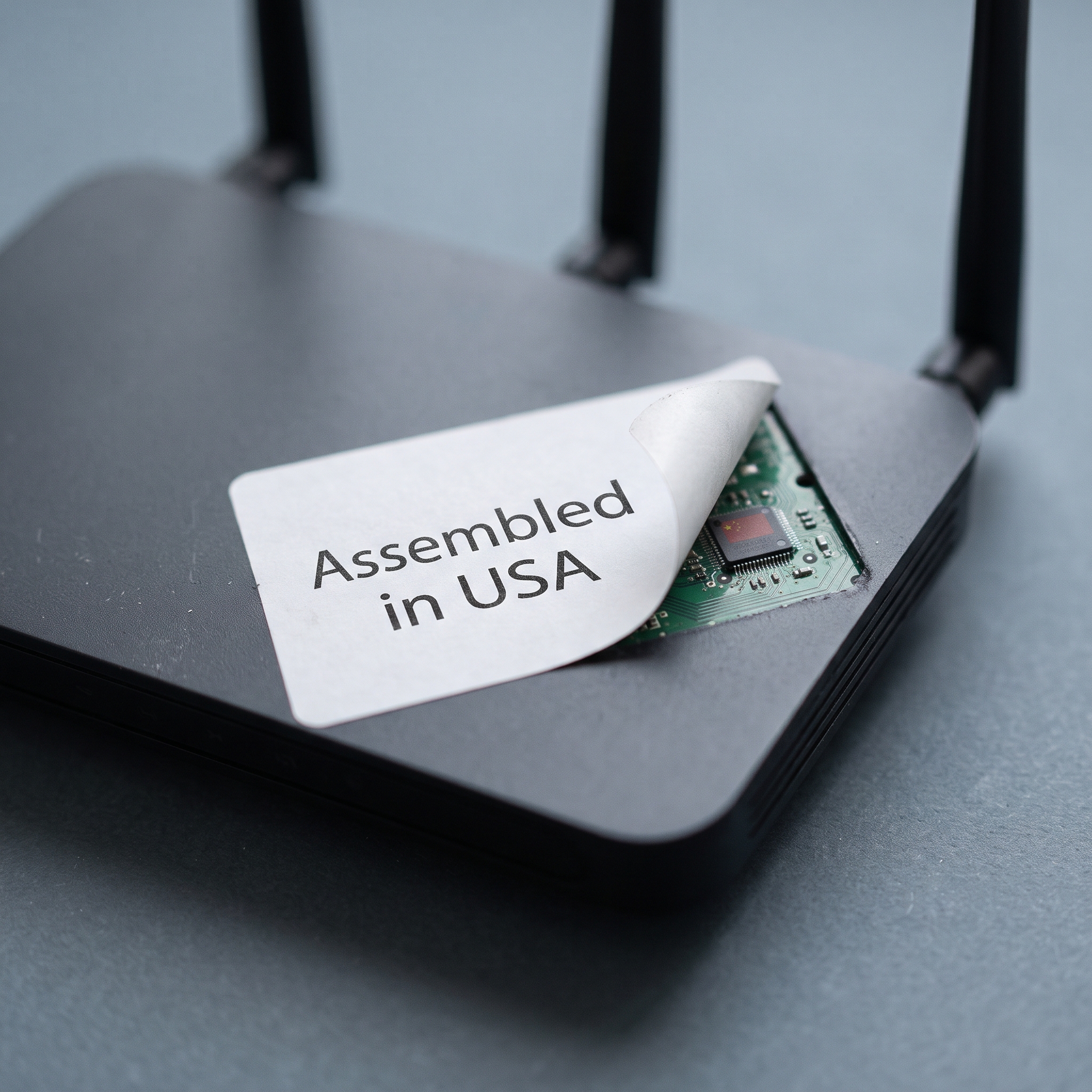
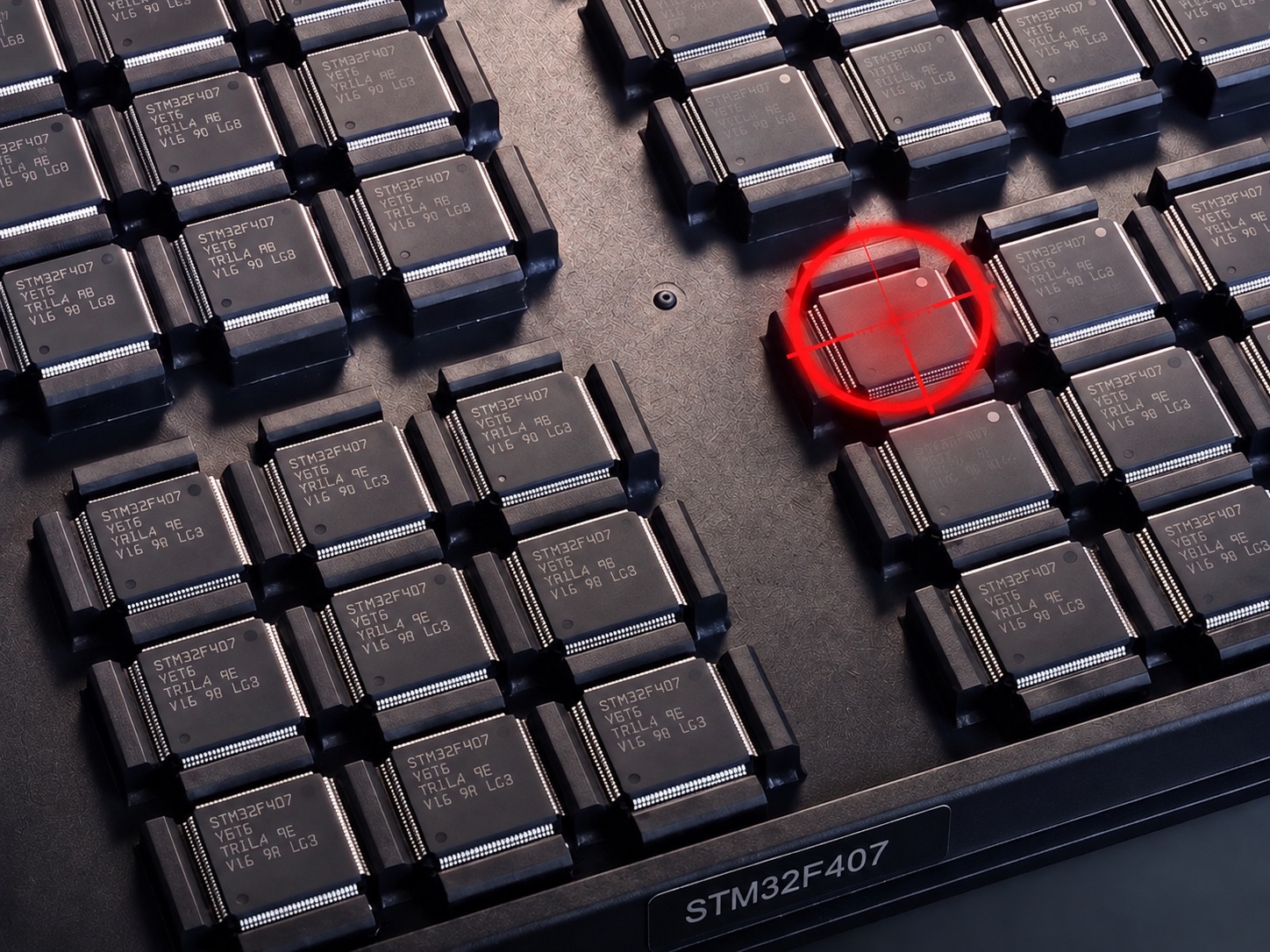
This week, a sponsored post in a leading electronics trade publication made a bold promise(1). The chips others cannot secure, they can. Scarce analog parts. End-of-life
This week, a sponsored post in a leading electronics trade publication made a bold promise(1). The chips others cannot secure, they can. Scarce analog parts. End-of-life
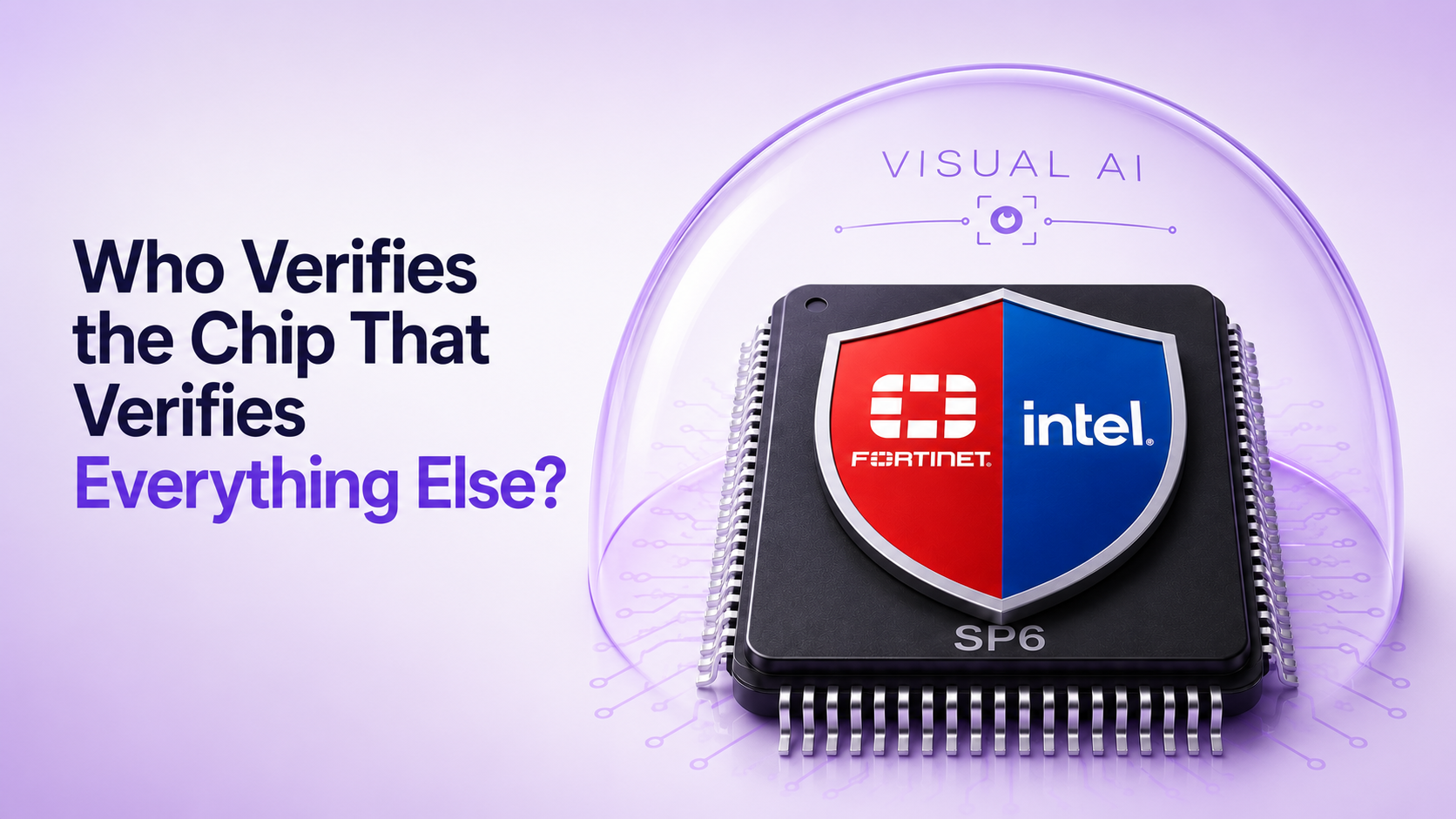
Intel and Fortinet are jointly developing Fortinet's next generation security processor, SP6, in part to build a more resilient, diversified supply chain. A security chip is still a chip.
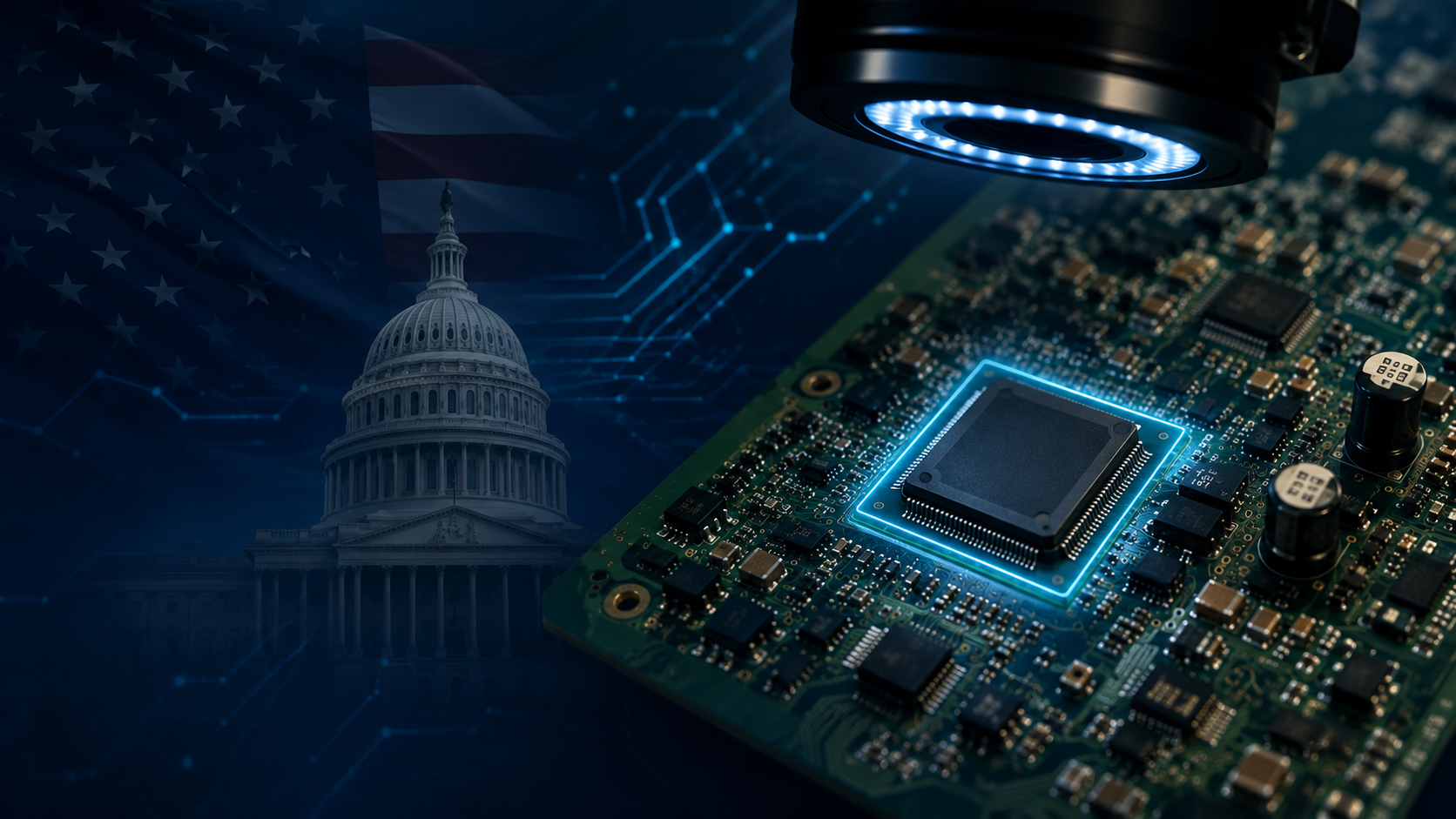
DFARS Case 2022-D011 marks a shift from documentation to proof, requiring defense suppliers to verify hardware provenance rather than rely solely on paper records.

Europe’s CHIPS Act 2.0 targets fabs, but final assembly still happens offshore. Here’s why component-level transparency must be part of the strategy.
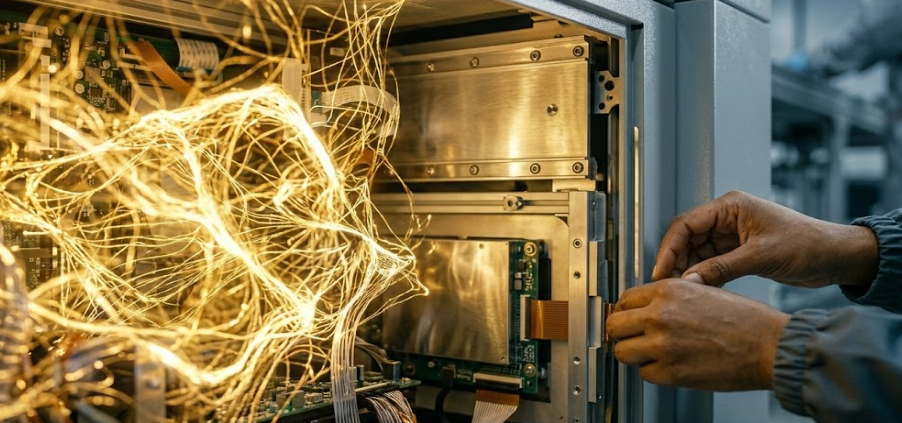
Every SMT line generates millions of data points daily, most discarded after use. Learn how Visual AI turns that lost data into ERP, MES, and supply chain intelligence.
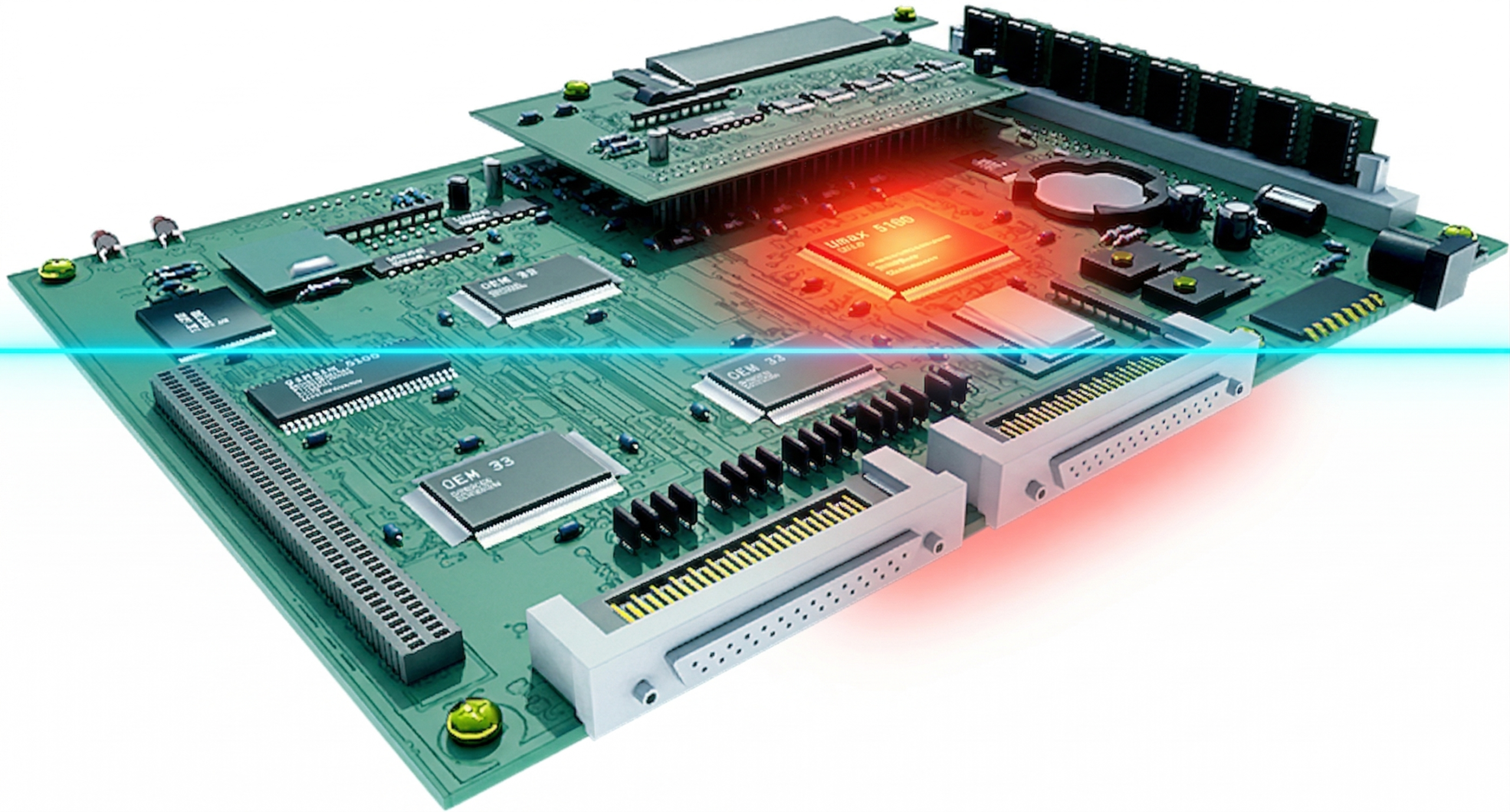
Hardware cyber threats hide below your software stack. See how Visual AI catches what firewalls, IDS, and endpoint security miss - at the component level.

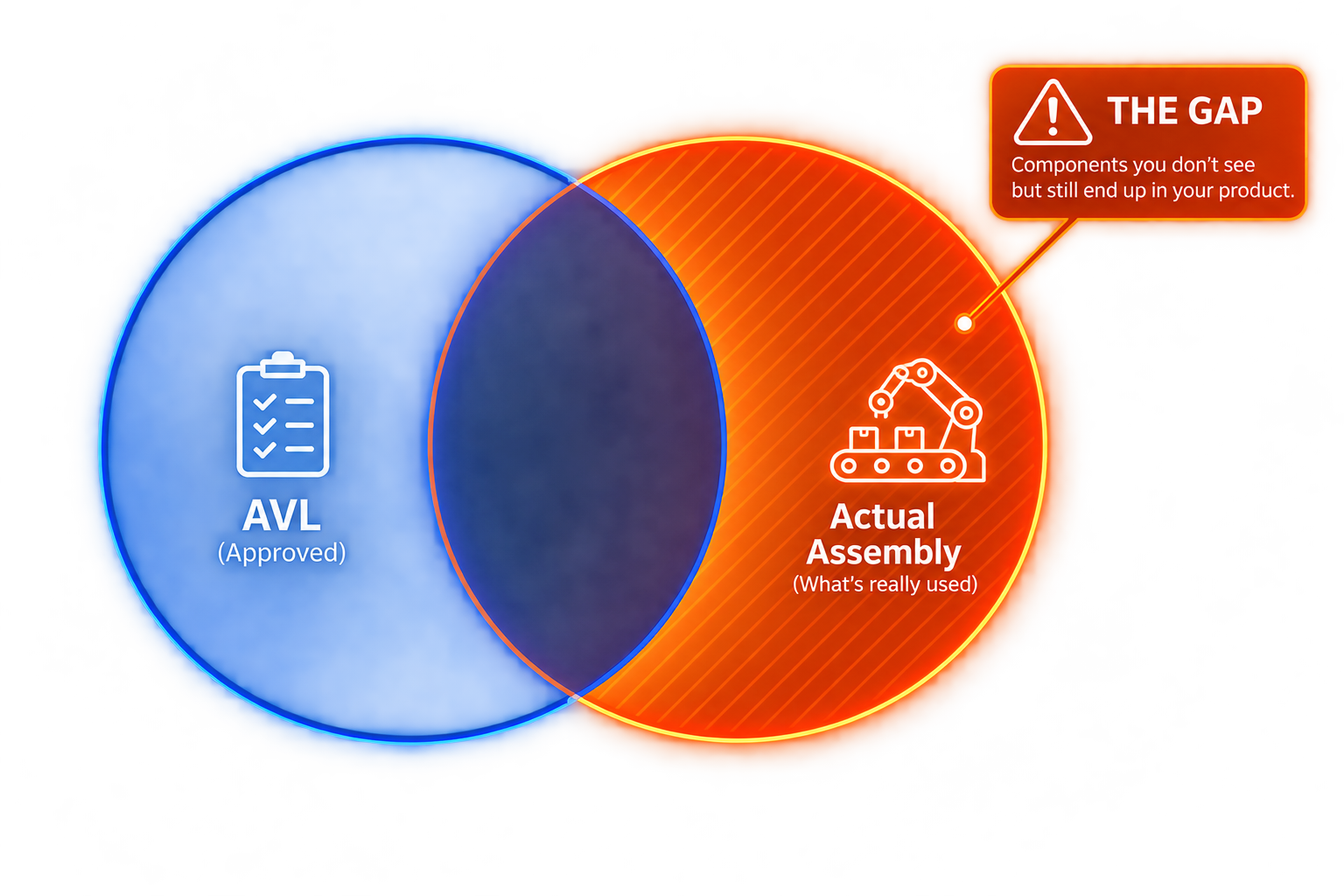
The electronics industry has long been governed by a dangerous disconnect. On one side is the global supply chain: a volatile web of distributors, brokers, and

Collapsing the Uncertainty of Modern Electronics In 1935, Austrian physicist Erwin Schrödinger proposed a thought experiment that would become a cornerstone of

2025 was a wake-up call for the electronics supply chain. From new tariffs in April to the Nexperia crisis and Micron’s pivot in December, 2025 proved that "blind trust" in manufacturing is a liability we can no longer afford.
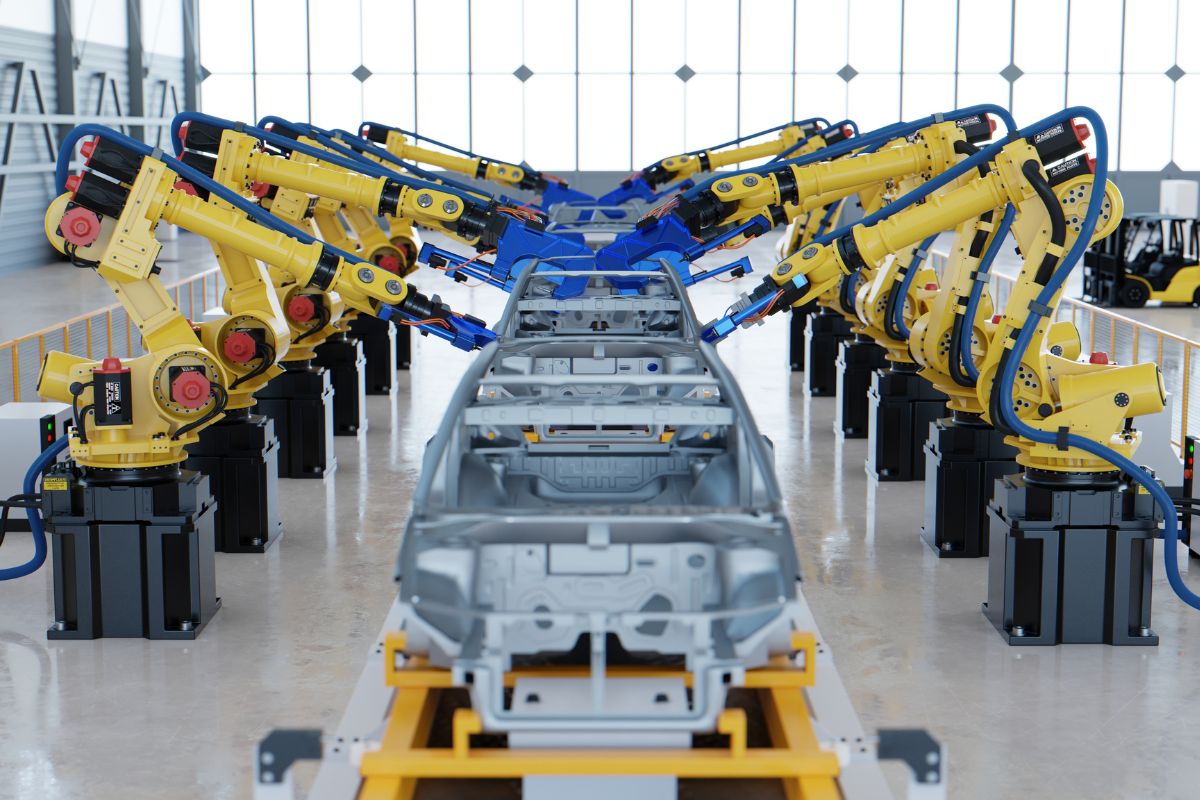
Recalls have become a routine and accepted cost in automotive manufacturing, Why ? read the full article
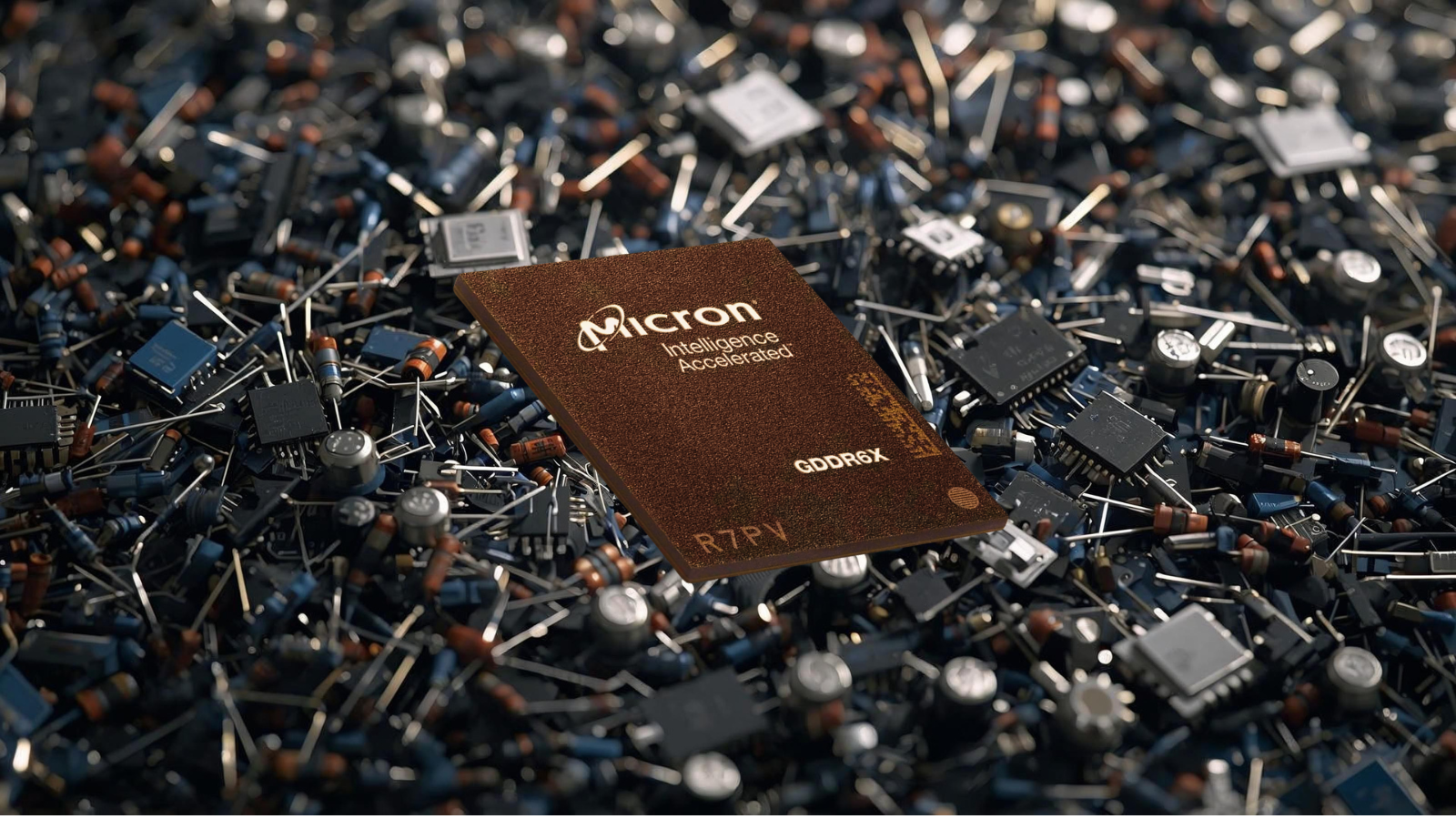
Every reel, lot, and component should be tracked, recorded, and trusted. But what happens when that trust is misplaced? read the full article

Every reel, lot, and component should be tracked, recorded, and trusted. But what happens when that trust is misplaced? read the full article

As geopolitical risk intensifies, electronics manufacturing is entering a new phase of de-risking at the component level, highlighted by Tesla’s push to eliminate Chinese-made parts from its U.S. EV plants and Nexperia’s admission that it can no longer guarantee chip quality.
Modern electronics manufacturing has outpaced the industry’s ability to maintain full control. What can OEMs do when the CM says “all good,” but the components tell another story? Read the blog.

In cybersecurity, “Zero Trust” has become the gold standard: assume nothing is safe until it’s verified. Today, it’s time to borrow that mindset for electronics manufacturing.

s global supply chains grow more complex and threats become increasingly sophisticated, the manufacturing of electronic components faces a critical challenge securing the integrity of every component placed on a circuit board

Failing to Prepare is Preparing to Fail By: Oshri Cohen This week, the RSA Conference kicks off, bringing together CISOs from all over the world to discuss the

The Blind Spot in Cybersecurity: Securing Hardware Integrity Understanding the Vulnerability: Trust in Hardware When we think about cybersecurity, we typically

As geopolitical tensions escalate over the ‘chip war,’ new tariffs and restrictions loom, and supply chain pathways

Securing Electronics at the Component Level: The Role of Visual AI in Hardware Cybersecurity By: Dr. Eyal Weiss As the global electronics supply chain grows

The U.S. government’s newly imposed tariffs and broader trade restrictions are accelerating systemic risks of electrical component shortages, with cascading effects

In an era where the complexity of automotive electronic systems is escalating at a remarkable pace, adhering to functional safety standards is not just a regulatory

Cybord AI solution allows OEMs to pinpoint affected components and contain failure-related incidents.

AI-Driven Real-Time Inspection for Electronic Component Assembly Abstract This approach represents a breakthrough in AI-driven quality assurance for electronic

Revolutionizing Electronic Component Authentication: AI and Big Data in Real-Time Assembly As the global manufacturing landscape grows increasingly complex,

The Critical Role of Component Quality In the electronics industry, a product’s reliability is closely linked to the quality of its components. Poor-quality

Whether you are curious about how Cybord enhances your current systems, manages multi-vendor environments, or handles production volumes, you will find the answers you

The Importance of Traceability Traceability in electronics manufacturing refers to the ability to track every component of a product from its origin to its final

The Challenge: Lack of Inline Visibility Electronics manufacturers often face significant hurdles in ensuring the quality of their products. Traditional quality

How AI-Powered Quality Component Inspection Enforces Zero Defects In the fast-paced world of electronics manufacturing, the quality of components is crucial. Any

The Concept of Zero-Trust Supply Chains A zero-trust supply chain strategy is based on the principle that no component or supplier is trusted by default. Every

Component quality and reliability are paramount in the intricate world of electronics manufacturing. Defective electronic components can lead to significant

Enhancing Electronic Component Traceability: The Key to Quality and Efficiency For production managers and QA professionals in electronic product

In today's fast-paced electronic manufacturing industry, ensuring the quality and reliability of components is crucial for maintaining product integrity and customer

Quality Component Inspection (QCI) with Bottom-Side Analysis Cybord Quality Component Inspection (QCI) solution exemplifies cutting-edge technology ensuring
What is ISO-26262? ISO-26262 is an international standard for the functional safety of electrical and electronic (E/E) systems in production automobiles. It is derived

The risk of counterfeit electronic parts infiltrating production lines in the complex and globalized electronics supply chain is a significant concern. Counterfeit

The Gap in Components Quality Assurance Despite the rapid advancements in the electronics sector, a significant gap in quality assurance practices persists,

These fakes pose significant risks to the functionality and reliability of electronic devices and contribute to substantial financial losses and potential safety

In today’s manufacturing environment, where electronic components play a crucial role in the functionality of various devices, ensuring their quality and reliability is

Introduction to the IPC-A-610 Standard In today’s high-stakes world of electronic manufacturing, reliability and consistency are non-negotiable. Companies depend
The electronics industry increasingly focuses on quality control measures to tackle the challenge of cracks in multilayer ceramic capacitors (MLCCs). These cracks pose a

In the dynamic realm of electronics, the reliability of products is a cornerstone of consumer trust and industry reputation. This reliability is intricately linked to the

In the intricate world of electronic manufacturing, maintaining high standards of quality and reliability is crucial. The IPC-A-610 Rev. H standard serves as a benchmark
Revolutionizing Electronic Component Reliability: Detecting Corrosion to Prevent Cracks with AI The electronics industry's rapid evolution has increased the demand
At Cybord, we understand that ensuring the quality and authenticity of all components is paramount in electronics manufacturing. Electronic component traceability is a
The Counterfeit Problem & Challenges of Detection Manufacturers have turned to unconventional supply channels due to supply chain disruptions, significantly
In the realm of manufacturing, particularly in the electronics sector, the early detection of defective components is crucial for maintaining product quality and
For production managers and quality assurance (QA) leaders in electronics manufacturing, ensuring consistent quality and reliability of components has never been more
Enhancing Quality Control and Traceability with Cybord's AI-Powered Visual Inspection Platform In today's rapidly evolving world of technology, the demand for
The foundation of electronic product development is firmly rooted in PCBs. However, recent disruptions in the supply chain have led to a significant rise in counterfeit
Innovations Reshaping the Manufacturing Landscape: A Conversation with Cybord's CEO
In the world of electronics manufacturing, precision and efficiency are paramount. Each component, whether it's a tiny resistor or a complex integrated circuit, plays a
Recall – the devil of the Industry: Recall events can be detrimental for any OEM. Not only do they result in significant financial losses, but they also damage the
Podcast with Dr. Eyal Weiss, CTO and Founder of Cybord: Revolutionizing Component Traceability and Quality Assurance with AI In this Podcast, Dr. Eyal
Enhancing Traceability in the Digital Era: Leveraging AI for Improved Quality Control Written by Cybord Marketing Team PART 1: Introduction:
Inspection of 100% of electronic components with Cybord’s Kingfisher Solution In this clip, "Inspection of 100% of electronic components with Cybord’s Kingfisher
In the fast-paced world of electronics manufacturing, ensuring the quality of electronic components is crucial. Cybord's has a electronic component analytics
Early Detection of Corrosion - Induced Failures in Electronic Components Failures in Electronic Components: Corrosion is one of the most prevalent failure modes in
Faulty Components Analysis Faulty Components Analysis: Cybord Visual AI Platform inspects electronic products during the assembly process. This reduces the