The current scramble for memory chips quickly drains inventories. As the wells dry up and legitimate sources run out, desperation sets in, paving the way for the most dangerous threat: counterfeit components.
By Oshri Cohen, CEO, Cybord
On December 3rd, 2025, Micron Technology announced it was dissolving its consumer-facing Crucial business by February 2026 to prioritize memory products in the fast-growing AI and data center segments.
This move, while a strategic pivot for Micron, is yet another symptom of an escalating, global supply chain breakdown. The “AI frenzy” is colliding with a supply chain unable to meet its physical requirements, creating a global component-level crisis – which has the potential of becoming a macroeconomic risk.
The Panic Cycle Accelerates the Crisis
The core problem is the sheer, unprecedented demand for advanced chips like High-Bandwidth Memory (HBM). Chipmakers prioritizing these high-end components are choking supply to traditional markets like smartphones, PCs, and consumer electronics.
The worldwide shortage across all types of memory has triggered a panic cycle in which companies rush to secure supply, worsening the crisis. Tech giants including Google, Amazon, Microsoft, Meta, and major Chinese firms are placing open-ended or aggressively lobbied orders to lock in any available inventory. As a result, memory prices have already more than doubled in some categories since February and are expected to keep rising through 2026.
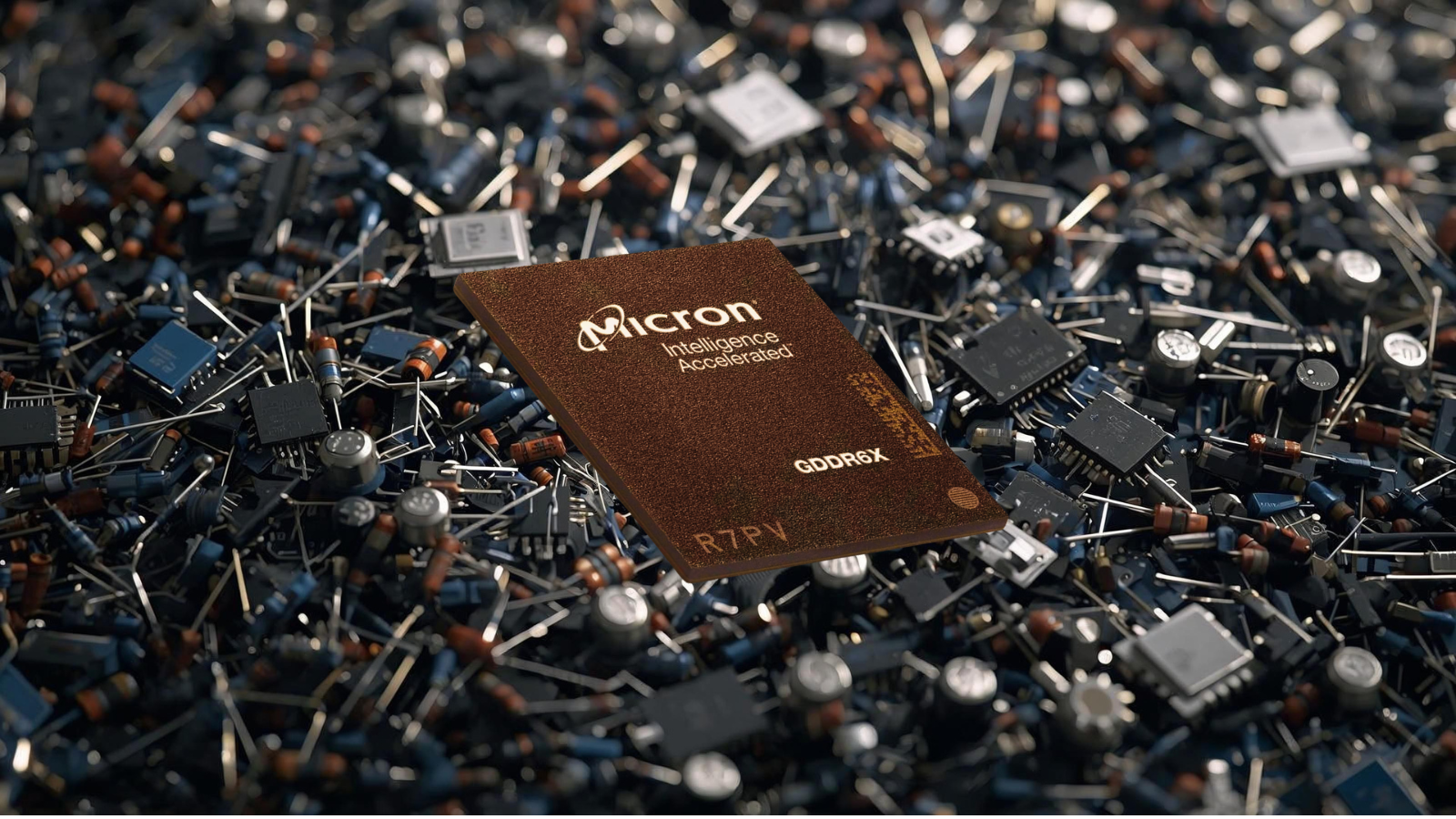
This massive scramble quickly drains inventories. As the wells dry up and legitimate sources run out, desperation sets in, paving the way for the most dangerous threat: counterfeit components.
The Infiltration of Counterfeit Components
When manufacturers rush to procure scarce parts, the procurement floodgates open to the gray market and shadow inventories. These conditions are ripe for the entry of counterfeit, aged, reused, or relabeled components.
What constitutes a counterfeit component?
In the electronics world, counterfeits range from non-original chips to low-grade, aged, or refurbished parts. For instance, sophisticated syndicates have been found to collect discarded chips, which are then laser-polished and relabelled to be sold as high-end imported products.
The risk is magnified because counterfeiters operate with high expertise. These bogus parts can often hide in seemingly reputable sources and are hard to detect because they can pass most visual inspections and traditional functional tests. Yet, using unverified or low-grade parts in mission-critical systems – like aerospace, automotive, defense, or data centers – carries consequences that range from massive recalls and scraps to catastrophic safety failures and cybersecurity risks.
Lessons from the Past: Embracing Zero Trust Manufacturing
History shows that neglecting proactive risk management leaves organizations exposed to catastrophic failures. The clear lesson from past crises is that companies can no longer rely on blind trust in their sprawling supply chains.
To find and stop these counterfeits, the industry must fundamentally shift its mindset from reactive crisis response to proactive prevention. This means adopting a Zero Trust Manufacturing approach: assume nothing is safe until it’s verified.
Instead of relying on sampling or paper documentation, preventing the proliferation of bogus components requires micro-traceability – authenticate and track individual components at the smallest unit level, verifying each part’s identity and origin rather than relying on batch-level oversight.
This is where Vision-AI technology comes into its own. We’re already using high-resolution cameras on production equipment; With Vision-AI we can convert them to inspect every component, verify its authenticity based on minute, micorscopic details and the match it against the Approved Vendor List (AVL). This system flags any deviation – be it a counterfeit or a mismatched manufacturer part number (MPN) or date code – before the assembled board leaves the production line.
In this era where the supply chain itself has become a battlefield, only those manufacturers that implement verified, intelligence-driven defense strategies will be able to keep producing confidently. Because when the choice is between waiting and using a suspicious chip, the only way to survive is to ensure that trust isn’t granted, it’s earned – one verified component at a time.