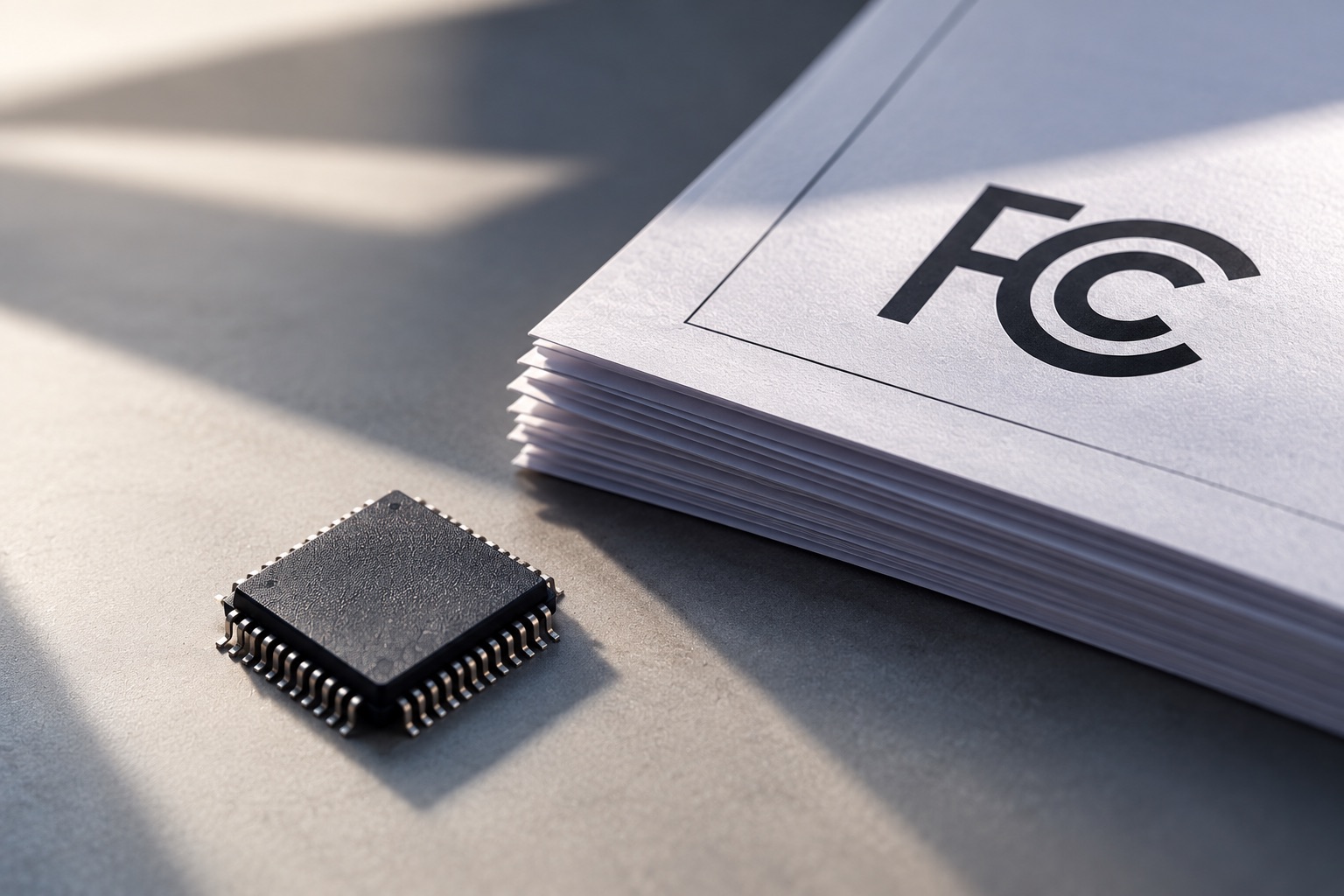
The Blind Spot in Cybersecurity: Securing Hardware Integrity
Understanding the Vulnerability: Trust in Hardware
When we think about cybersecurity, we typically focus on software solutions firewalls, encryption, secure authentication, and endpoint protection. However, there’s an underlying assumption in all these measures: the hardware itself is trustworthy. But what happens if this foundational assumption is flawed?
The Risks of Compromised Hardware
Every software solution, no matter how sophisticated, ultimately relies on the physical integrity of its components chips, memory modules, resistors, capacitors, and integrated circuits. Even one compromised component can undermine an entire system, rendering advanced cybersecurity measures ineffective. Unfortunately, hardware integrity is frequently overlooked in traditional cybersecurity strategies.

The Blind Spot in Cybersecurity
Why is Hardware Often Ignored?
Most existing cybersecurity defenses function at higher levels, such as software, firmware, or network perimeters. Vulnerabilities embedded during manufacturing or introduced through compromised supply chains evade these defenses entirely. By the time a product reaches operational deployment, it could already carry undetectable threats such as counterfeit components or hidden hardware implants that remain dormant until activated.
The Essential Role of Hardware Cybersecurity
This challenge underscores the necessity of treating hardware cybersecurity not merely as complementary to software security but as its foundation. Without trustworthy hardware, software-based defenses can be circumvented or rendered obsolete, much like building a fortress on unstable ground.
Shortcomings of Traditional Manufacturing Practices
Traditional manufacturing practices fall short in addressing hardware vulnerabilities:
- Visual Spot-checks: Often miss subtle signs of tampering.
- Documentation Checks: Cannot reliably verify physical integrity.
- X-ray Inspections: Limited in detecting sophisticated hardware alterations.
These practices leave manufacturers vulnerable, particularly in high-stakes industries where failures have significant implications.
Cybord’s Solution: Advanced Visual AI Inspection
Cybord addresses this critical gap with advanced, real-time visual AI inspection and comprehensive component traceability. Our innovative technology works precisely at the point of component placement during production, using high-resolution imaging and sophisticated AI algorithms to authenticate every single component.
Key Inspection Methods
- Top-side Inspection (TSI): Validates component authenticity by verifying markings, packaging, and origin.
- Complete Board Inspection (CBI): Conducts automated anomaly detection across the entire assembled board, identifying unauthorized modifications or tampering.
Digital Fingerprinting and Traceability
Cybord creates a digital fingerprint for each component, enabling seamless tracking, accountability, and forensic investigation capabilities. This comprehensive approach ensures:
- Regulatory compliance adherence
- Prevention of unauthorized or counterfeit components
- Safeguarding against embedded cyber-physical threats
Seamless Integration and Enhanced Efficiency
Crucially, Cybord’s technology integrates effortlessly into existing manufacturing workflows without interrupting production efficiency. The solution immediately flags hardware integrity violations and traceability mismatches:
- AVL Violation Recognition – Cybord identifies the actual manufacturer part number of each component, helping customers verify and enforce their Approved Vendor List (AVL).
- Traceability Visual Verification – Cybord offers enhanced comparison between collected traceability logs and recognized traceability information, allowing customers to validate and correct data before usage.
Real-time defect detection allows immediate rejection of compromised parts, significantly reducing the risk of costly rework, recalls, or warranty claims.
Securing the Future
In an era where cybersecurity threats continue to evolve, securing hardware integrity is no longer optional, it’s essential. By adopting Cybord’s advanced full traceability hardware protection products, manufacturers gain unprecedented protection against cyber-physical vulnerabilities, securing not just the physical components but the integrity of the entire cybersecurity framework.
Hardware cybersecurity isn’t just a strategy enhancement; it’s the bedrock of digital trust.