The Critical Role of Component Quality
In the electronics industry, a product’s reliability is closely linked to the quality of its components. Poor-quality or degraded components can significantly reduce the mean time between failures (MTBF), leading to higher failure rates, increased e-waste, and more significant CO2 emissions. According to recent research, degraded components can reduce MTBF by up to 50%, resulting in shorter product lifespans and up to 30% more CO2 emissions due to the need for frequent replacements.
Ensuring component quality is not just about maintaining product performance; it’s also about mitigating environmental impact. When electronic products fail prematurely, they contribute to the growing e-waste problem, which the United Nations has identified as the fastest-growing waste stream globally. With approximately 50 million tons of e-waste generated annually, the need for more reliable and sustainable electronics has never been more pressing.
The Economic and Environmental Costs of Degraded Components
Degraded components not only lead to increased product failures but also have significant economic and environmental repercussions. Economically, higher failure rates translate to more product returns, warranty claims, and recalls, all of which can damage a company’s reputation and erode customer trust. Environmentally, each product failure adds to the burden of e-waste and increases the carbon footprint associated with manufacturing new units.
For example, the production of a single laptop generates an estimated 283.4 kg of CO2 and 6.08 kg of e-waste. If a batch of products is scrapped due to faulty components, the environmental impact is compounded, further exacerbating the industry’s sustainability challenges.
Advanced Inspection Technology: A Solution for Reliability and Sustainability
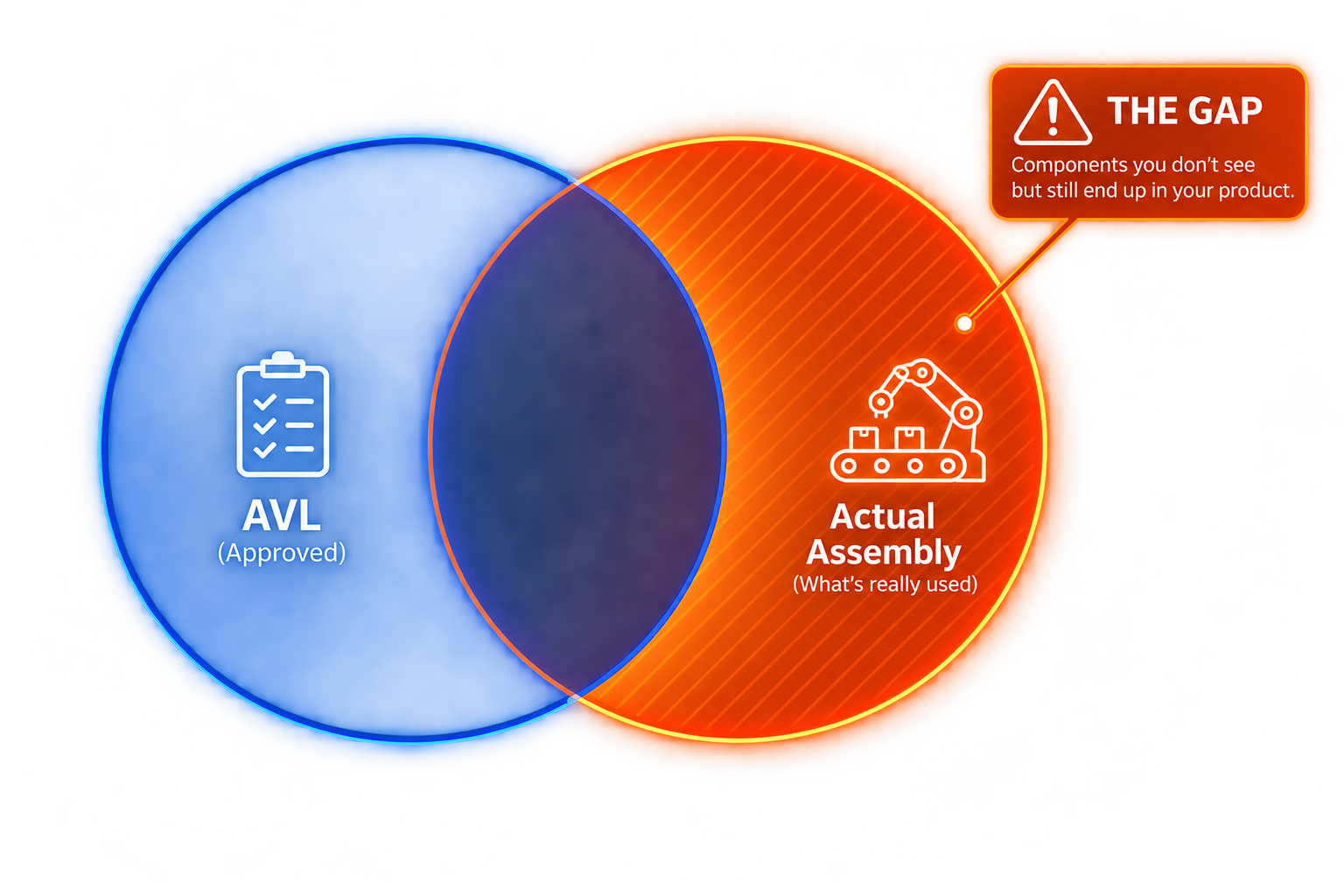
To address these issues, the adoption of advanced inspection technology is essential. Manufacturers can detect and eliminate defective components by implementing 100% inspection protocols using state-of-the-art AI-driven systems before they are assembled into products. This proactive approach not only enhances the reliability of electronic products but also significantly reduces their environmental impact.
Advanced inspection systems use high-resolution cameras and AI algorithms to identify minute defects, such as corrosion, surface degradation, and even early signs of crack formation in components. These systems can operate in real-time during the assembly process, ensuring that only high-quality components are used. By preventing the integration of substandard materials, manufacturers can improve the overall MTBF of their products, reducing the frequency of failures and extending product lifespans.
Conclusion
In an industry where reliability and sustainability are increasingly intertwined, the role of component quality cannot be overstated. By leveraging advanced inspection technology, the electronics industry can make significant strides toward reducing its environmental footprint while enhancing product reliability. This dual focus on quality and sustainability benefits the environment and provides a competitive edge in an increasingly eco-conscious market.
At Cybord.ai, we are committed to driving innovation in the electronics industry by providing cutting-edge inspection solutions that ensure the highest standards of component quality. Doing so, we help manufacturers build more reliable, sustainable products that contribute to a greener future.